
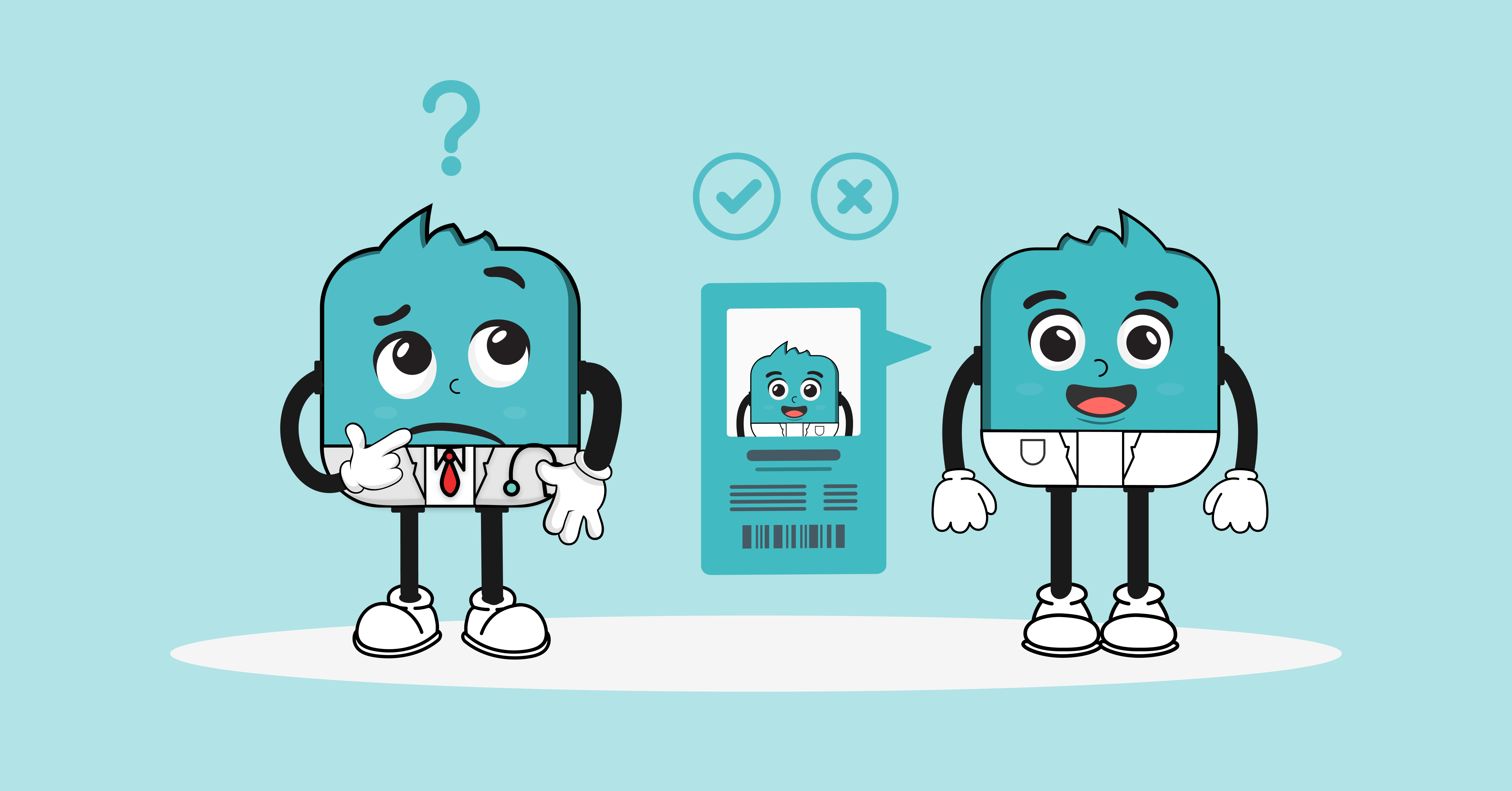
Patient identity management is a critical issue in the healthcare sector. Ensuring the accuracy and security of patient identification is essential to prevent medical errors and protect sensitive data.
In this article, we will explore the common risks associated with patient identification, the direct consequences on treatment, and best practices for ensuring effective patient identity management. We will also examine how Kheops Location System (KLS) and ClevEHR strengthen this vigilance through their functionalities.
What is patient identity management?
Patient identity management refers to a set of procedures and measures implemented to ensure the accuracy and security of patient identification within the healthcare sector.
Strict and extended identity attributes:
- Strict attributes include the core elements of a patient’s basic identity, such as last name, primary first name as recorded in civil status, sex, date of birth, and place of birth.
- Extended attributes add supplementary information to the strict attributes, such as additional birth given names, a commonly used name or first name, and other related identifiers.
What are the most common patient identification risks?
Patient identification errors occur when patient identity management processes are inadequate. The most common risks include:
- Duplicate medical records
Creation of multiple records for the same patient. - Data entry errors
Typographical mistakes or transcription errors in personal information. - Patient confusion
Patients with similar names or dates of birth. - Lack of identity verification
Absence of rigorous procedures to verify patient identity. - Incorrect information exchange
Inaccurate sharing of information between different departments.
What are the direct consequences on treatment?
Patient identification errors can lead to serious consequences for the care provided, including:
- Medication errors
Administration of medication to the wrong patient, potentially resulting in severe adverse effects. - Incorrect diagnosis
Diagnoses based on inaccurate or incorrect information. - Surgical risks
Risk of performing surgical procedures on the wrong patient. - Prolonged care
Delays in appropriate treatment due to the need to correct identification errors. - Breach of confidentiality
Disclosure of sensitive medical data to unauthorized individuals.
What are the best practices for effective patient identity management?
To ensure effective patient identity management, the following measures should be implemented:
- Standardized identification procedures
Multiple verification of personal information. - Use of identification wristbands
Each patient wears a wristband containing key information throughout their hospital stay. - Verification technologies
Use of barcodes, QR codes, and biometric recognition systems. - Data management software
Information systems used to manage and verify patient data. - Continuous staff training
Ongoing awareness and training on best identification practices. - Double-check protocols
Cross-verification of information prior to critical procedures. - Alert and monitoring systems
Tools designed to detect and report potential identification errors.
How do Kheops solutions strengthen patient identity management?
Kheops’ software solutions, notably ClevEHR and KLS (Kheops Location System), are specifically designed for healthcare professionals, with a strong focus on strengthening patient identity management.
ClevEHR
ClevEHR is an activity management software for healthcare institutions that enhances patient identity management through the following features:
- Patient search
Search by last name, first name, and date of birth, with typo correction. - Duplicate management
Verification of information and duplicate handling with options to cancel, confirm, or merge records. - Unique identifier
Assignment of a unique identifier to each patient, which is never reassigned, even after record deletion. - Integration
Interoperability with various applications (other Kheops solutions and third-party systems), ensuring efficient communication between departments. - Admission creation
Search for existing patients or creation of new patient records. - Numbering of admissions, procedures, and consultations
Each admission, procedure, and consultation is assigned a unique identifier.
KLS
Kheops Location System (KLS) enhances patient identity management through the following features:
- Unique and anonymous identifier
Assignment of unique and anonymous identifiers to each patient. - Identification wristbands
Accurate patient tracking through identification wristbands. - Connection to the care record
Direct links between wristbands and care records to ensure optimal consistency. - Real-time location tracking
Monitoring patient movements via sensors and tags (identification wristbands), improving both safety and care efficiency.
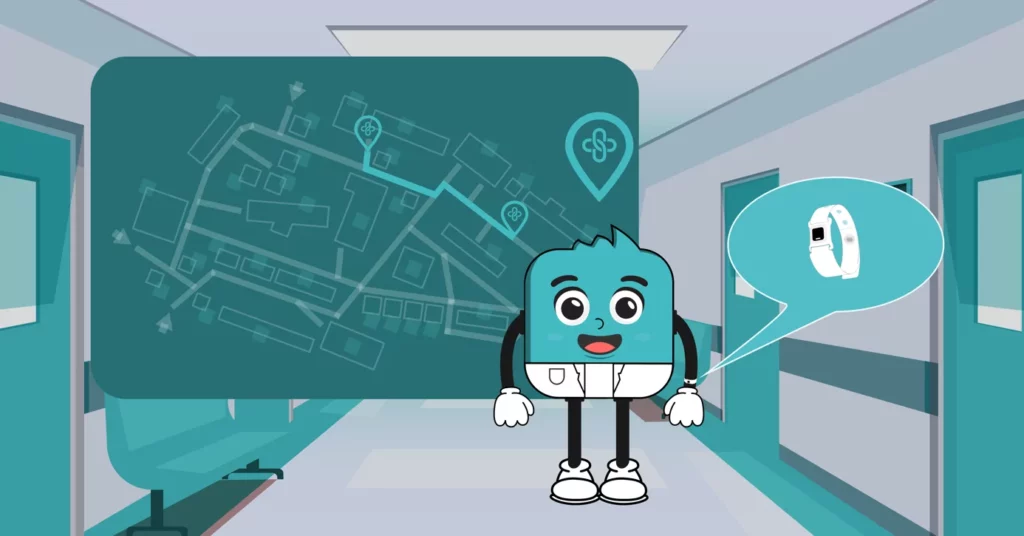
By combining the advanced functionalities of ClevEHR and KLS, healthcare institutions benefit from strengthened patient identity management, efficient handling of patient information, and improved care coordination—thereby ensuring enhanced safety and optimized quality of care.
In conclusion, patient identity management is essential to ensuring safety and quality of care in the healthcare sector. By adopting rigorous practices and advanced technologies such as those offered by ClevEHR and KLS, healthcare institutions can significantly improve patient identification and the overall safety of care delivery.